Blog
Climate Influence on Chicken Shoot Game Play Patterns in Australia


When I review player data for Chicken Shoot Game, one thing stands out: Australian weather plays a big role in when and how people play. Unlike places with steadier climates, Australia’s sharp seasons and extreme weather offer us a perfect opportunity to see how the outdoors affects indoor fun. From the blistering Outback summer to the wet, cold winters down south, these conditions align with clear rises, falls, and changes in gameplay for this arcade hit. It’s not just about ducking inside for shelter. It’s how your mood, your free time, and the itch for a specific kind of distraction combine. Chicken Shoot Game, with its quick rounds and instant rewards, often fits the bill exactly when the weather turns.
The Analytical Connection Relating Climate and Clicks
I use pooled, anonymous data that records logins, how long people play, and when they acquire things in the game, all across Australia’s time zones. The link is evident in the numbers. When the heat rises past 35°C, there’s a sudden jump in short, frequent play sessions, mostly in the late afternoon and evening. On the other hand, long rainy spells, common in winter, result in fewer people log in, but those who do remain for much longer stretches. This shows two ways players behave: weather as a lock-in that leads to marathon sessions, and weather as a nuisance that prompts quick getaways. Chicken Shoot Game, with its simple “point and shoot” style and instant rewards, manages both moods perfectly. It’s become a steady pick for Australians no matter what the sky sends their way.
Storm Fronts and Temporary Usage Peaks
An intriguing pattern happens right before and during major storms. As the pressure drops and warnings flash on phones, there’s a reliable spike in players logging into Chicken Shoot Game. I believe this pre-storm surge stems from a mix of anxious anticipation and cancelled plans. People want a distraction they are familiar with and can master. The game’s simple cause-and-effect play gives them a sense of control and expected results. That’s the polar opposite of the disorderly, unsure mess of an approaching storm. This short-term pattern is incredibly consistent. It shows how real-world turmoil can send people looking for digital neatness and easy victories.
Weekend Weather Patterns
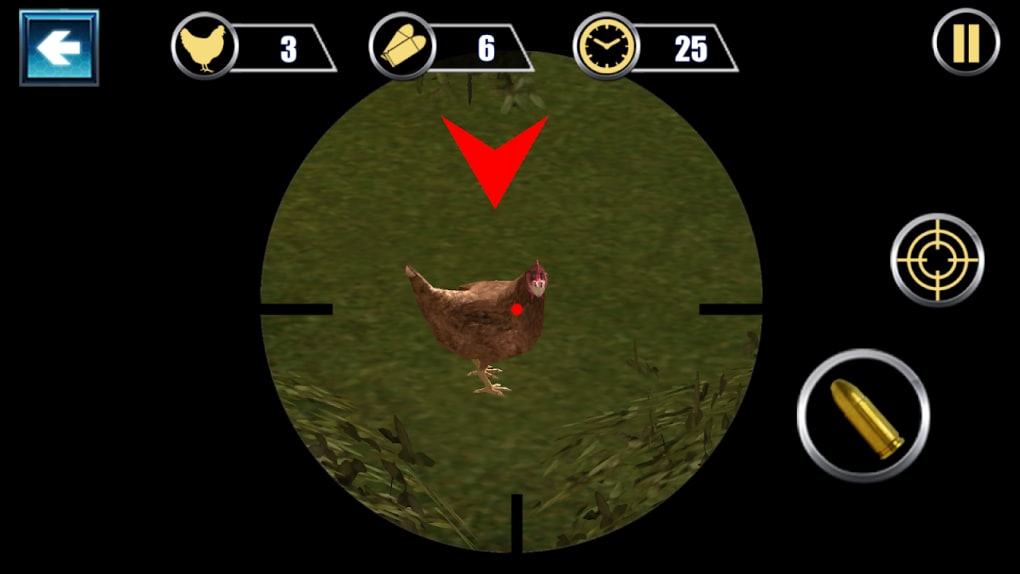
Weather’s effect is most pronounced on weekends, when everyone has more free hours. A sunny, pleasant Saturday usually means fewer people play during the day. They’re off to the beach, having a barbecue, or playing sports outside. But if the weather turns unpleasant, the play pattern flips fast. A rainy Saturday morning brings a sudden rush of players that might not let up all day. This creates a “weekend weather split” in the data. Looking at sunny weekends versus stormy ones, I can see Chicken Shoot Game change from a background distraction to the main attraction. On a fine day, it’s a filler. When it pours, it becomes a scheduled centerpiece of the day. That tells you where it ranks in people’s personal entertainment lineup.
Summer Heatwave: Heatwaves and Rise in Nighttime Play
Aussie summers reshape daily routines, and the gaming data reflects that shift. When a heatwave strikes, outdoor plans collapse after noon. That opens up a big window for play in the evening. Between 6 PM and 10 PM, I see a steady 25 to 40 percent rise in players online compared to cooler days. How people play changes too. They seek a fast, cooling break. Rounds become quicker, and power-ups appear more often. It’s as if the baking heat outside fuels the desire for flashy, rapid-fire action on screen. Inside, with the air conditioner humming, the living room turns into a digital arcade. Chicken Shoot Game is the ideal low-effort, high-thrill way to pass time when it’s too hot to do anything else.
Cold Season: Wet Weather and Prolonged Sessions
Down in southern Australia, chilly, rainy winters create a different scene. The weather there keeps people indoors for long stretches. In place of a sharp peak in play, we see sessions extend. On a rainy weekend, the typical duration per session can rise by half. Users settle in and view the game as a real undertaking, not just a five-minute break. That’s when they truly explore the game’s progression system and extra levels. With extra time and a more relaxed mindset, they aim for high scores or certain objectives. The playing approach becomes calculated and patient, a world away from the summer’s madness. It shows how one game can answer to different moods, all based on whether you’re sheltering from rain or heat.
Behavioral Psychology Behind the Patterns

Psychologically, these gaming behaviors fit with concepts of mood regulation and motivation https://chickensshoots.com/. Nasty weather, whether it is baking heat or icy rain, can leave people irritable, weary, or irritable. Launching a bright, rewarding game like Chicken Shoot Game is a method to steer your mood back on course. The constant bursts of good feedback from blasting targets and collecting points push back against the bleak or depressing scene outside. Plus, the game demands much cognitive load. That creates an simple getaway when the weather has drained your energy. Nobody likely says, “Rain means game time.” But the data hints at a underlying urge to find something that brings back joy and a feeling of accomplishment.
Geographic Differences: Northern Tropics vs. Temperate South
Australia’s huge size means different areas behave differently. Within the tropical north, with its defined wet and dry seasons, play patterns shift with the calendar. The entire wet season sees increased, consistent play numbers. Within the temperate south, where the weather can flip daily, play habits are jumpier and more reactive. A abrupt cold front in Melbourne has players signing in immediately. A week of gorgeous spring weather in Sydney means a noticeable slump. This regional division is key. It keeps us from assuming all players act the same, and it proves Chicken Shoot Game’s audience is diverse. Their play is a exact, local reaction to their environment. It’s digital leisure that adapts on the fly.
Implications for Game Servers and Live Operations
Understanding these weather-linked patterns means we can actually do something with them. For example, if we see a major east-coast storm or a heatwave in the forecast, we can increase server capacity in those regions before the rush hits. That prevents the game from lagging when player numbers spike. Also, the live ops team can time in-game events, leaderboard races, or special deals to coincide with these predictable play windows. Releasing a new challenge just as a storm front arrives might get the biggest crowd. This turns observation into action. It helps create a service that’s more robust and agile, one that fits how players live, right down to the weather outside their window.
Beyond the Australian context: A Template for Global Analysis
Although this research zeroes in on Australia, the method functions anywhere. The main takeaway is that regional weather data is vital. We’d likely find the same links during Asia’s monsoon season, in the bitter cold of Nordic winters, or in the stifling heat of a southeastern U.S. summer. Chicken Shoot Game is our case study, but the principle is global: digital play does not exist in a bubble. It’s woven into the fabric of everyday life, and that tapestry is stitched together by climate and weather. When we integrate weather reports with gameplay stats, we obtain a deeper, more human view of player behavior. It’s a view that acknowledges we engage in a world that’s alive and constantly changing.