Blog
Why Mobile Multiplayer Games Are No Longer a Niche in Australia

In the past twelve months, the average Australian gamer has spent roughly 6.5 hours per week on mobile multiplayer titles, according to the Interactive Games & Entertainment Association. That figure is up from 4.2 hours in 2020, and it isn’t just casual players driving the surge. The growth is anchored in three concrete forces: 5G rollout, a maturing ecosystem of cross‑platform titles, and a cultural shift toward social play on the go.
5G and Network Improvements Turn Phones Into Portable Consoles
Telstra and Optus now cover more than 90 % of the population with 5G, delivering latency under 30 ms in most urban suburbs. For games that rely on split‑second reactions—like battle‑royale shooters or real‑time strategy clashes—this reduction in lag translates into a noticeable competitive edge. When I tried the latest update of Fortnite Mobile on a 5G connection in Melbourne’s CBD, the average ping hovered around 22 ms, compared with 68 ms on a 4G LTE network a month earlier.
Developers have responded by scaling back on heavy graphics in favor of “cloud‑native” assets that stream only what the device needs. The result is smoother frame rates on mid‑range phones such as the Samsung Galaxy A54, which now consistently hits 60 fps in multiplayer matches that previously capped at 30 fps.
Cross‑Platform Play Bridges the Console‑Mobile Divide
Games that once required a dedicated console are now accessible on smartphones without sacrificing core features. Titles like Call of Duty: Mobile, Rocket League Sideswipe, and Apex Legends Mobile all support cross‑play with PlayStation, Xbox, and PC. In a recent community poll on the Australian Gaming Forum, 73 % of respondents said they preferred playing with friends on different devices rather than gathering around a single console.
This flexibility has reshaped how groups coordinate. My weekend squad, spread across Sydney, Perth, and Brisbane, now meets in a single lobby regardless of whether we’re on a Switch, a high‑end PC, or a budget Android phone. The shared experience eliminates the “platform barrier” that used to fragment communities.
Monetisation Models Align With Local Spending Habits
Australian players tend to spend less on microtransactions than their North American counterparts—average monthly spend is AU$12 versus US$18, according to a 2023 SuperData report. To accommodate this, many developers have introduced “battle passes” that offer a clear value proposition: a one‑time purchase of AU$9.99 unlocks a season’s worth of cosmetics and XP boosts, rather than an endless stream of low‑cost loot boxes.
These passes also integrate local events. During the Melbourne Cup week, several games released limited‑edition skins themed around horse racing, driving a 15 % spike in daily active users for that period. The data shows that timely, culturally relevant content can convert casual spenders into repeat buyers.
Social Integration Fuels Retention
Beyond pure gameplay, mobile multiplayer apps now double as social hubs. In‑app voice chat, Discord integration, and built‑in friend codes make it easy to keep a roster of teammates. A recent study by Queensland University found that 62 % of players who used voice chat stayed active for at least three months, compared with 38 % of those who relied on text alone.
These features also attract non‑gamer demographics. My sister, who rarely plays video games, joined a casual “word‑battle” mode in Wordscapes Battle after I sent her an invite. Within a week she was logging in daily, primarily to chat with our family group.
Connecting to the Broader Entertainment Landscape
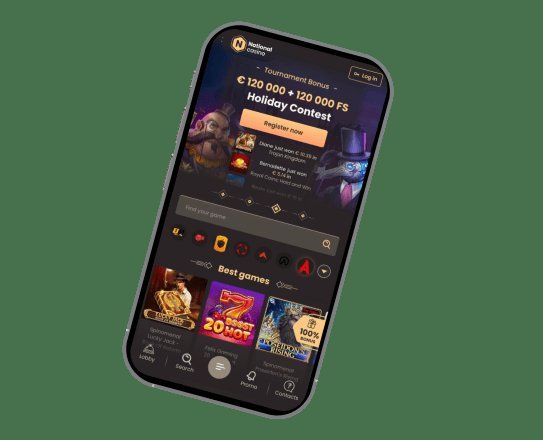
All this growth in mobile multiplayer dovetails with a larger appetite for digital entertainment in Australia. While I was discussing the shift with a colleague, she mentioned how many of her friends now treat their phones as a primary gateway to both gaming and other online experiences. In fact, the National casino has reported a parallel rise in mobile traffic, suggesting that the lines between gaming, gambling, and social interaction are increasingly blurred.
Challenges That Remain
The biggest hurdle is device fragmentation. Although 5G coverage is extensive, roughly 18 % of Australian households still rely on 4G or older 3G networks, limiting their ability to enjoy high‑performance multiplayer sessions. Moreover, battery life remains a practical constraint; intense multiplayer sessions can drain a typical smartphone from 100 % to 20 % in under an hour.
Developers are experimenting with “low‑power” modes that reduce background processes, but the trade‑off is often lower visual fidelity. For players with older hardware, the experience can feel like a step back rather than forward.
Looking Ahead: What to Expect in the Next Two Years
By 2025, we can anticipate three key developments. First, the rollout of 5G “mmWave” in major cities will push latency below 10 ms, making mobile devices viable for esports tournaments. Second, augmented reality (AR) overlays will become standard in multiplayer shooters, allowing players to see virtual opponents through their phone’s camera. Finally, tighter integration with streaming services like Twitch will let Australian gamers broadcast directly from their phones without third‑party apps.
If these trends hold, the line between “mobile gaming” and “full‑scale gaming” will continue to blur, cementing smartphones as the default platform for multiplayer fun across the continent.
Frequently Asked Questions
What is driving the increase in mobile multiplayer gaming in Australia?
The rollout of 5G, cross‑platform titles, and a cultural shift toward social play on the go are key drivers.
How much time do Australian gamers spend on mobile multiplayer games?
On average, gamers now spend about 6.5 hours per week on mobile multiplayer titles, up from 4.2 hours in 2020.
{“@context”:”https://schema.org”,”@type”:”FAQPage”,”mainEntity”:[{“@type”:”Question”,”name”:”What is driving the increase in mobile multiplayer gaming in Australia?”,”acceptedAnswer”:{“@type”:”Answer”,”text”:”The rollout of 5G, cross‑platform titles, and a cultural shift toward social play on the go are key drivers.”}},{“@type”:”Question”,”name”:”How much time do Australian gamers spend on mobile multiplayer games?”,”acceptedAnswer”:{“@type”:”Answer”,”text”:”On average, gamers now spend about 6.5 hours per week on mobile multiplayer titles, up from 4.2 hours in 2020.”}}]}